Transform Your Vehicle With Top-Tier Auto Tint and Wraps Services
Transforming a vehicle with high-quality auto tint and wraps can significantly enhance its look and functionality. These services offer a combination of style and protection, meeting individual preferences and needs. From shielding against UV rays to improving temperature regulation, the benefits are clear. However, choosing the right choices and installation techniques can be intimidating. Understanding the various aspects of auto tint and wraps is essential for making an informed decision. What should one consider next?
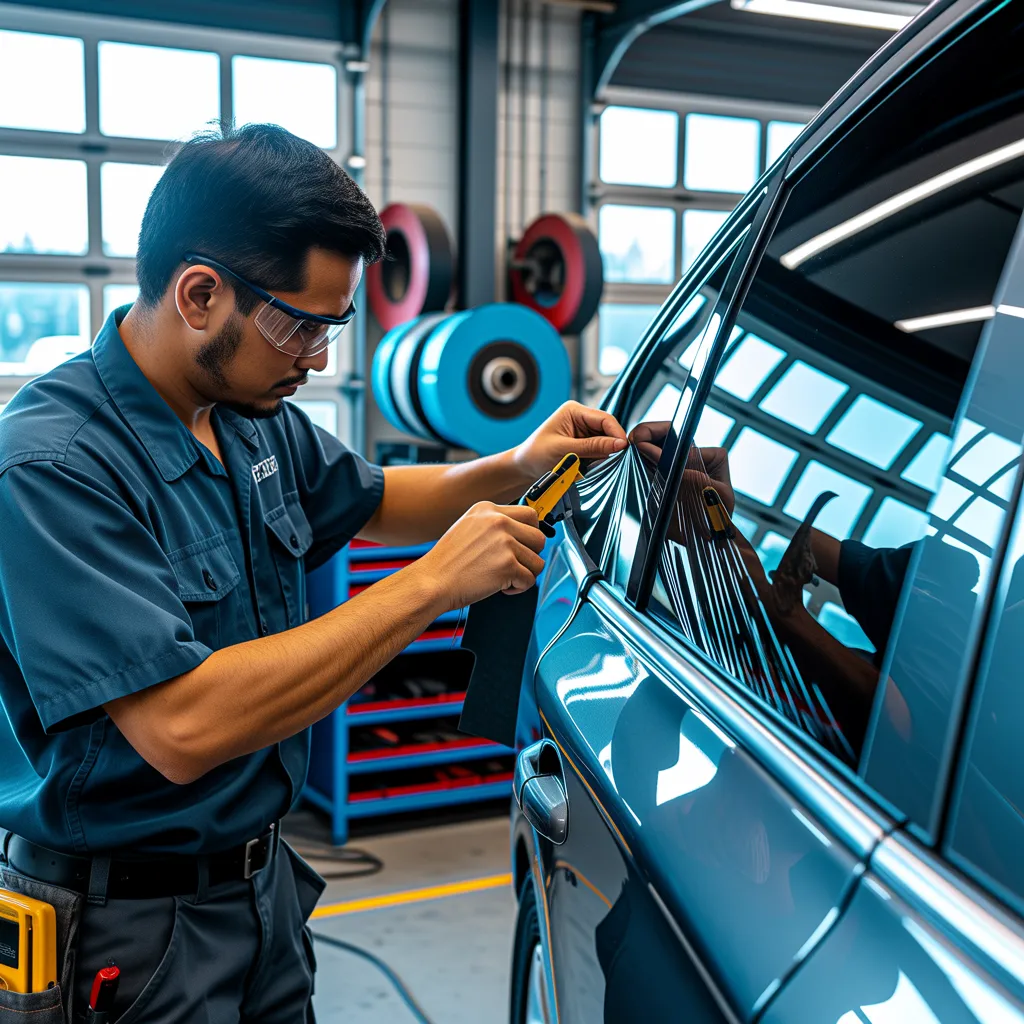
The Perks of Premium Auto Tint and Wraps
Premium auto tint and wraps enhance both the aesthetic and functional qualities of vehicles. These applications provide a modern appearance, allowing vehicle owners to express their individuality while keeping a polished look. Additionally, premium auto tint functions as a protective barrier against dangerous UV rays, decreasing interior fading and shielding passengers from sun exposure. It can also help regulate vehicle temperature, enhancing overall comfort.
Furthermore, high-quality wraps grant a layer of defense against minor damage and scratches, preserving the car's original paint. This can be quite helpful for those endeavoring to copyright resale value. In addition, wraps can be easily taken off or replaced, granting variety for those who prefer to refresh their vehicle's appearance without a permanent commitment. Overall, premium auto tint and wraps integrate style with practical advantages, making presentation them a worthwhile investment for any vehicle owner.
Various Auto Wraps to Assess for Your Car
When evaluating vehicle enhancements, auto wraps offer various types, each offering unique benefits and aesthetic options. One popular choice is the full wrap, which covers the entire vehicle, enabling a complete transformation in color and design. This option can significantly change the vehicle's appearance while also providing protection against scratches and UV damage.
Partial wraps function as another alternative, targeting specific areas such as the hood, roof, or doors. This alternative is ideal for those aiming to make a statement without overpowering the original paint job.
For enterprises, custom graphics wrappings featuring logos and branding can strengthen visibility and market services effectively. Additionally, specialty wraps, including matte, gloss, and metallic finishes, deliver distinctive textures and visual appeal. Each type of auto wrap fulfills distinct functions, making it essential to evaluate individual choices and automobile needs when selecting the optimal solution.
How to Determine the Appropriate Auto Tint for Your Vehicle
Selecting the appropriate window tint requires understanding the different kinds available and ensuring compliance with legal regulations. Varying tinting products and shades can impact aesthetics, heat reduction, and privacy. Knowledge with local laws is essential to prevent possible penalties and verify the chosen tint meets automotive standards.
Variants of Tint: A Complete Overview
Determining the appropriate auto tint can greatly enhance both the character and capabilities of a vehicle. Assorted tint types are available, each contributing unique strengths. Dyed window film is economical and extends privacy while blocking UV rays. Metalized tints push back heat and fortify durability, making them optimal for climates with intense sunlight. Ceramic window films, though pricier, extend superior heat rejection and clarity without hindering electronic devices. Additionally, hybrid tints combine elements from both dyed and metalized films for a balanced option. When choosing a tint, one should consider factors such as heat rejection, visibility, and personal style preferences. Ultimately, the optimal tint type can enhance the look of a vehicle's appearance while offering essential protection.
Approved Tint Regulations
Grasping auto tint specifications is vital for anyone considering auto tint setup. Each state maintains particular regulations dictating the allowable level of tint shade, typically measured by Visible Light Transmission (VLT) percentages. For example, certain states authorize darker tints on rear windows while limiting front-side and windshield tints to lighter hues. Furthermore, requirements may vary depending on vehicle classification, featuring exemptions for select commercial vehicles. It is essential for vehicle owners to examine their state's regulations to sidestep fines and guarantee compliance. Working with a professional tinting provider can deliver clarity and help in selecting the appropriate tint that fulfills both visual wishes and legal conditions. Adhering to these regulations will enhance both the vehicle's appearance and safety.
Do You Want Professional Installation or Choose the DIY Path?
When evaluating whether to go with professional installation or a DIY approach for auto tint and wraps, the decision depends on several key factors. Professional installation often guarantees a flawless result, using skilled technicians versed in the nuances of various materials. This knowledge decreases risks tied to bubbles, misalignment, and damage to the vehicle. Additionally, many professionals supply protection plans, giving reassurance against potential defects.
Conversely, DIY enthusiasts may pick cost savings and the pleasure of performing a project by themselves. However, this strategy demands a considerable commitment of hours and labor, combined with a knowledge acquisition phase for appropriate techniques. Mistakes can cause expensive reapplication or even destruction, potentially offsetting initial expenditure reductions.
At last, people should evaluate their skill level, resources, and desired outcome, weighing the benefits of professional assurance compared to the allure of a hands-on project. Each choice offers unique advantages designed for distinct priorities and circumstances.
Correct maintenance for Your Auto Tint and Wraps
Preserving auto tint and wraps is vital to sustain their appearance and longevity, as inattention can result in premature fading and peeling. Routine care requires delicate washing with a neutral pH cleanser and a delicate microfiber rag to protect against scratches. It is critical to eliminate rough chemicals and equipment that might harm the surface.
Furthermore, car proprietors should allow the tint or wrap to set completely, typically for about a week, before subjecting it to extreme weather conditions. Placing your vehicle in shaded areas or using a car cover can safeguard the finish from UV rays and pollutants.
In addition, it's ideal to ensure surfaces are free from waxes or sealants, as these can impede the tint's grip. Finally, systematic inspections for any symptoms of peeling or defects will help mitigate problems early, ensuring the vehicle remains in superior shape.
Identifying Reliable Tint and Wrap Solutions in Your Locality
Where can one find trustworthy tint and wrap services nearby? Customers searching for reputable services should commence by doing online research. Search engines can offer a list of local businesses with customer reviews, ratings, and service details. Social media platforms and community forums also function as helpful tools, where users share personal experiences and recommendations.
Moreover, seeking suggestions from friends, family, or colleagues can lead to credible specialists. Visiting local automotive shops can furnish insights about expert tinting and wrapping options, since many establishments partner with such service providers.
Once potential applicants are identified, it is wise to check their credentials and portfolio, ensuring excellence and expertise. Comparing estimates and warranties can also help in making an informed decision. Ultimately, thorough research and individual referrals are key to finding reputable tint and wrap services that will enhance a vehicle's appearance and functionality.
Frequently Inquired Questions
What timeframe Should You expect for the Installation Process?
Completing the installation commonly requires two to five hours depending upon your vehicle's size and how intricate the tint or wrap proves to be. Additional factors including preparation and drying time may similarly modify the complete timeframe.
Does Auto Tint Impact My Vehicle's Warranty?
Window tinting commonly does not cancel a car's protection, as long as it is expertly done and meets manufacturer guidelines. However, it's prudent to examine particular coverage details to ensure coverage stays valid.
Can Overlays Safely Removed Without Affecting the Paint?
Wraps can generally be removed without damaging the paint if applied correctly. However, elements including the age of the wrap and paint condition may affect the outcome, so it is always wise to be careful during removal.
What Legal Limitations Apply to Tint Darkness in My Location?
Legal limitations on tint opacity differ by region. Individuals should review local laws or ordinances to guarantee compliance. Failure to adhere to these guidelines may result in penalties or the need for removal.
How can I determine if my tint provides UV protection?
To evaluate if tint blocks UV rays, one can look at product specs for UV measurements, reach out to the installer, or spot indicators marking UV-filtering properties. Measurement with a UV meter can also furnish assurance.